What Is Plagiarism? Types, Examples and Consequences
Posted on 14th April by Admin
Plagiarism is one of the most serious issues in academic and professional writing — and yet it catches thousands of students and writers off guard every year. Understanding exactly what it is, the different forms it can take, and the consequences it carries is the first step to protecting yourself.
In this guide, we cover everything you need to know: a clear definition of plagiarism, the main types with examples, the real consequences of getting it wrong, and practical steps to make sure your work is always original before you submit.
What Is Plagiarism?
Plagiarism is the act of presenting someone else’s words, ideas, research or work as your own — without giving them proper credit. It applies whether the original source is a book, a journal article, a website, another student’s essay, or even your own previously submitted work.
The Oxford English Dictionary defines plagiarism as “the practice of taking someone else’s work or ideas and passing them off as one’s own.”
What makes plagiarism particularly tricky is that it does not always involve a deliberate intention to cheat. Many cases are accidental — a poorly paraphrased sentence here, a forgotten citation there. But in most academic and professional settings, intent does not change the outcome. If your work contains material that is not properly attributed, it is considered plagiarism regardless of whether you meant it or not.
Plagiarism can occur in:
University essays, dissertations and theses
Journal articles and research papers
Blog posts and website content
Business reports and professional documents
Creative writing and published books
Plagiarism: The Scale of the Problem
Plagiarism is far more widespread than many people realise. Research and institutional data paint a striking picture of how common — and how seriously treated — it has become:
36% of students admit to paraphrasing written material without citation, according to a study published in the Journal of Academic Ethics.
Over 50,000 students in the UK were caught cheating or plagiarising in 2022–23, according to data obtained by the BBC under Freedom of Information requests — a record high.
Turnitin, one of the world’s leading plagiarism detection platforms, processes more than 200 million student submissions per year across 15,000 institutions worldwide.
A survey by the Chartered Institute of Educational Assessors found that 1 in 7 students believe copying a few sentences without attribution is acceptable — highlighting a widespread misunderstanding of what plagiarism actually means.
In professional publishing, the Committee on Publication Ethics (COPE) reports that plagiarism-related cases now account for one of the top three reasons for journal article retraction globally.
Research from Plagiarism Today estimates that more than 58% of high school students have committed plagiarism at least once, suggesting the habit often starts well before university.
These figures make clear that plagiarism is not a niche concern — it is a widespread issue with real consequences at every level of education and professional life.
The Main Types of Plagiarism
Not all plagiarism looks the same. Here are the most common types you need to be aware of:
1. Direct Plagiarism
This is the most straightforward form — copying someone else’s text word for word without using quotation marks or citing the source. Even if you only copy a single sentence, it counts as direct plagiarism if it is not properly attributed.
2. Mosaic Plagiarism (Patchwriting)
Mosaic plagiarism involves taking phrases from a source and weaving them into your own writing — sometimes changing a few words — without citation. This is one of the most common types among students because it can feel like paraphrasing, but it is not. True paraphrasing means rewriting the idea completely in your own words and still citing the source.
3. Accidental Plagiarism
Accidental plagiarism happens when a writer unintentionally omits citations, misquotes a source, or paraphrases too closely to the original without realising it. Tight deadlines, poor note-taking habits and genuine misunderstanding of citation rules are common causes. Despite being unintentional, accidental plagiarism carries the same consequences as deliberate plagiarism in most institutions.
4. Self-Plagiarism
Many people are surprised to learn that you can plagiarise your own work. Self-plagiarism — also called auto-plagiarism — occurs when you reuse or republish your own previously submitted work without disclosing that you have done so. For example, submitting the same essay for two different modules, or reusing substantial portions of a previous assignment in a new piece of work, is considered self-plagiarism at most universities.
5. Source-Based Plagiarism
This type involves citing a source incorrectly or citing a secondary source as if you read the original when you did not. For example, reading a quote from Author A in Author B’s book and then citing Author A directly — without acknowledging you found it via Author B — is a form of source-based plagiarism.
6. Complete Plagiarism
The most severe form: submitting someone else’s entire work as your own. This includes buying essays from essay mills, having someone else write your assignment, or downloading and submitting a paper found online. This is considered academic fraud and typically results in the most serious consequences.
Real-World Plagiarism Examples
Understanding plagiarism in the abstract is one thing — seeing it in practice is more useful. Here are some concrete examples:
Example 1: Direct Plagiarism
Original source:“The ability to write clearly and concisely is one of the most valued skills in any profession.”
Plagiarised version: The ability to write clearly and concisely is one of the most valued skills in any profession. [No citation, no quotation marks]
Correct version: According to Jones (2021), “the ability to write clearly and concisely is one of the most valued skills in any profession.”
Example 2: Mosaic Plagiarism
Original source:“Climate change poses an existential threat to biodiversity, with rising temperatures causing widespread habitat loss and species extinction.”
Plagiarised version: Climate change is an existential threat to biodiversity, causing widespread habitat loss and the extinction of species due to rising temperatures. [Words swapped but no citation]
Correct version: Climate change represents a fundamental threat to ecosystems worldwide, with research linking increased temperatures to significant losses in habitat and species numbers (Smith, 2022).
Example 3: Self-Plagiarism
A student submits a 2,000-word essay for their Year 2 marketing module. The following year, they reuse 800 words of the same essay in a new Year 3 assignment without disclosing this to their tutor. Even though the work is their own, this is self-plagiarism.
Consequences of Plagiarism
The consequences of plagiarism depend on where it occurs and how severe it is — but they are rarely trivial.
In Academic Settings
Universities take plagiarism extremely seriously. Depending on the institution and the severity of the case, consequences can include:
A reduced grade or a mark of zero for the plagiarised assignment
Failure of the module in which the plagiarism occurred
Academic probation or formal disciplinary proceedings
Suspension from the university for a set period
Permanent expulsion in the most serious cases
Withdrawal of a degree already awarded, if plagiarism is discovered after graduation
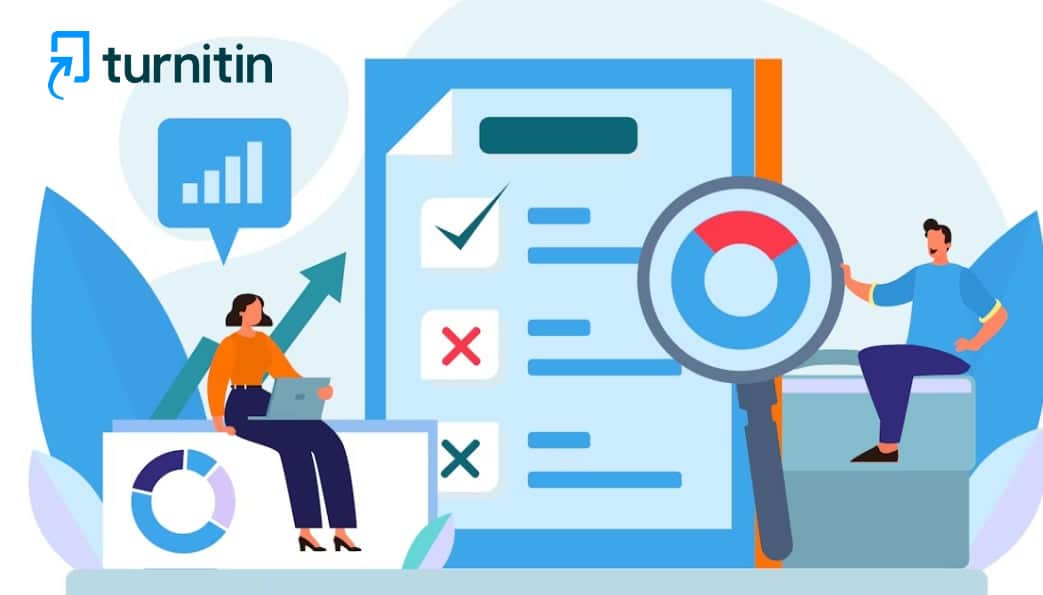
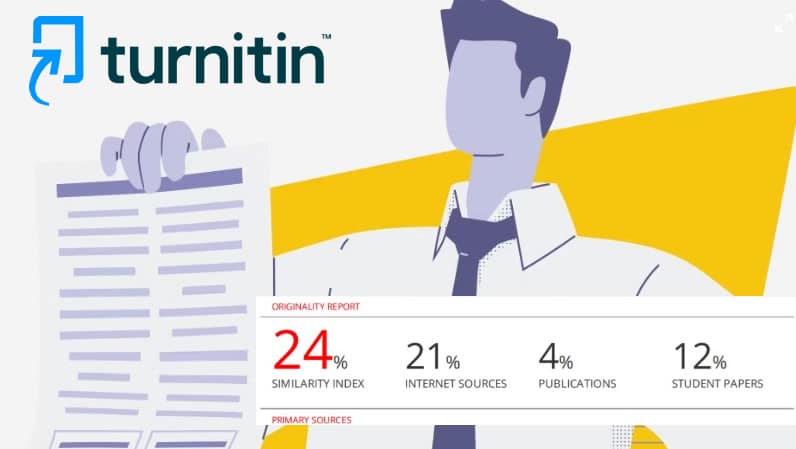
Most universities in the UK now use plagiarism detection software — including Turnitin — to check every submission automatically. A high similarity score does not automatically mean plagiarism has occurred, but it will trigger a review by your tutor or academic integrity office.
In Professional Settings
Outside of academia, plagiarism can have serious professional and legal consequences:
Damage to professional reputation — often irreversible in fields like journalism, publishing and research
Loss of employment — particularly in writing, content and communications roles
Legal action for copyright infringement, which can result in financial penalties
Retraction of published work from journals or publications
High-profile cases of plagiarism — including politicians, academics and published authors — regularly make headlines, demonstrating that no one is immune to scrutiny.
How to Avoid Plagiarism
The good news is that plagiarism — especially accidental plagiarism — is entirely preventable with good habits. Here are the most effective strategies:
1. Cite Everything You Use
Whenever you use someone else’s words, ideas or research, cite them. This applies to direct quotes, paraphrased content, statistics, data and even images. When in doubt, add a citation — it is always better to over-reference than to under-reference.
2. Learn to Paraphrase Properly
Paraphrasing does not mean swapping a few words for synonyms. True paraphrasing means reading the source, closing it, and rewriting the idea entirely in your own words and sentence structure — then citing the original. If you find this difficult, our professional paraphrasing service can help you rework sections of your writing while preserving the original meaning.
3. Keep Thorough Notes
Many cases of accidental plagiarism stem from disorganised research notes. When you note down a quote or idea, always record the source immediately — author, title, publication, page number and date. This makes the referencing process much easier later.
4. Use Quotation Marks for Direct Quotes
If you are using someone’s exact words, put them in quotation marks and cite the source. Direct quotes are perfectly acceptable in academic writing when used appropriately — the problem arises only when they are not acknowledged.
5. Understand Your Institution’s Policy on Self-Plagiarism
Check your university’s academic integrity policy to understand what counts as self-plagiarism. If you want to build on previous work, speak to your tutor first and be transparent about reusing earlier material.
6. Allow Time for Proper Referencing
Rushing at the last minute is one of the most common causes of accidental plagiarism. Build referencing time into your writing schedule so you are not cutting corners under pressure.
Checking Your Work Before You Submit
Even with the best intentions and careful writing habits, it is worth running a plagiarism check on your work before you submit it. This gives you the opportunity to catch any unintentional issues and correct them before your institution’s software flags them.
At Proofers, our professional plagiarism checking service uses Turnitin Similarity — the same software used by leading UK universities — to analyse your document and generate a full similarity report. The report highlights any matched content and provides a percentage similarity score, giving you a clear picture of your work’s originality before it reaches your tutor.
If your document contains AI-assisted writing, our AI checking service uses Turnitin to give you a full AI detection report alongside your similarity score — so you know exactly where you stand before submission.
If your similarity score comes back higher than expected, our paraphrasing and rewriting service can help you rework flagged sections to reduce your score while preserving the meaning and quality of your writing.
Is accidental plagiarism treated the same as deliberate plagiarism?
In most academic institutions, yes. While intent may be taken into account during disciplinary proceedings, the presence of unattributed content in your work is treated as plagiarism regardless of how it got there. This is why running a plagiarism check before submission is so important — it allows you to catch and correct unintentional issues before they become a problem.
What similarity score is acceptable?
There is no universal answer, as acceptable similarity thresholds vary between institutions, departments and even individual modules. As a general guide, many UK universities consider a similarity score below 15–20% to be low risk, though some programmes have stricter thresholds. Your university’s submission guidelines or your tutor are the best source of guidance for your specific course. What matters most is not the percentage itself, but the nature of the matched content — properly quoted and cited material is not a concern even if it contributes to your score.
Can you plagiarise yourself?
Yes. Reusing your own previously submitted work without disclosure — known as self-plagiarism or auto-plagiarism — is considered a breach of academic integrity at most universities. If you want to build on previous work, always seek permission from your tutor first and declare the reuse clearly.
Does plagiarism checking software flag everything?
Plagiarism detection tools like Turnitin flag text that matches content in their databases — which includes published academic papers, websites, student submissions and other sources. However, they do not distinguish between properly cited quotes and uncited copied text; that judgement is made by a human reviewer. A high similarity score prompts investigation — it does not automatically mean you have plagiarised.
What should I do if my similarity score is too high?
First, review the similarity report carefully to identify what has been flagged and why. Common causes include over-quoting, poor paraphrasing, missing citations and boilerplate text such as headers or reference lists. If the flagged content is genuinely paraphrased material that is sitting too close to the original, our professional paraphrasing service can help you rework those sections effectively. You can also run a follow-up plagiarism check once you have made your revisions to confirm your score has come down before submission.
Is plagiarism checking only relevant for students?
Not at all. Plagiarism is a concern for anyone producing written content — including business professionals, content writers, journalists, researchers and authors. Originality matters in commercial writing just as much as it does in academic work, and copyright infringement carries legal as well as reputational risks. Our plagiarism checking service is available for all document types, not just academic submissions.
How long does a plagiarism check take?
With Proofers, a plagiarism check is typically completed within 24 hours, though turnaround times depend on the length and complexity of your document. If you need a faster turnaround, please contact us to discuss your requirements.
Summary
Plagiarism is a broad term that covers everything from accidental citation errors to deliberate fraud. The key points to remember are:
Plagiarism includes direct copying, poor paraphrasing, missing citations and reusing your own previous work
Intent does not matter — accidental plagiarism carries the same consequences as deliberate plagiarism
Over 50,000 UK students were caught plagiarising in a single academic year — it is more common and more detectable than ever
Consequences range from a reduced grade to expulsion or, in professional settings, legal action
Good habits — proper citation, careful paraphrasing and thorough note-taking — are the best prevention
Running a plagiarism check before you submit is the safest way to protect yourself
A less well-known but surprisingly common form is self-plagiarism — reusing your own previously submitted work without declaration. Our guide on what is self-plagiarism explains exactly what counts as self-plagiarism and how to avoid it. If you want complete peace of mind before your next submission, get a professional plagiarism check from Proofers today — with a full Turnitin similarity report and a money-back guarantee.
Submit your document today and our UK-based editors will ensure your work is original, accurate and polished before submission.
A high Turnitin similarity score before your submission deadline can feel alarming — but it does not always mean you have plagiarised. Understanding what your score actually means and how to address it correctly could save your grade. This guide explains exactly what to do next.
Your similarity score can feel like a verdict on your work — but it is not as straightforward as a single number suggests. Understanding what a similarity score actually measures is the key to interpreting it correctly and acting on it confidently. This guide explains everything you need to know.
Most plagiarism cases at UK universities are not the result of deliberate cheating — they happen by accident. But unintentional plagiarism carries exactly the same consequences as deliberate plagiarism, making it just as important to understand and prevent. This guide explains what accidental plagiarism is, why it happens and how to make sure it never happens to you.